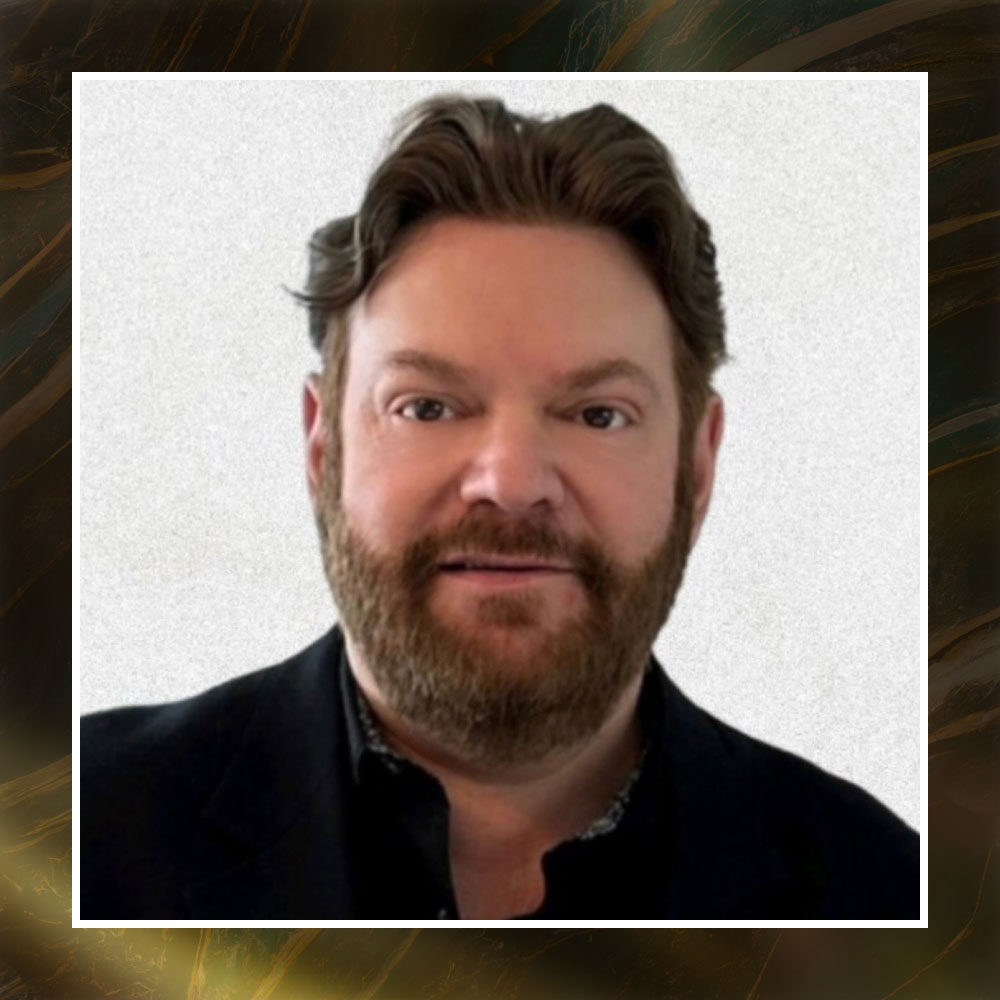
About Philip Neuman
Philip Neuman has run businesses for over 30 years that require patience, structure, and informed oversight. Based in New York, he is the founder of the Neuman Companies and a managing director with an investment history covering Asset-Based Finance, Fund Management, Merger & Acquisition, and complex financial structures.
Early in his career, Neuman was naturally drawn to the parts of finance that thrived on clarity and discipline rather than speed. He built a history of stepping into complex situations demanding operational control, deep analytical work, and coordination across legal, banking, and regulatory environments.
Financial Structures Built for Longevity
A defining chapter of Neuman’s career has been his pioneering role in asset-backed and alternative investment structures. Working with the world’s leading banks, he co-developed and managed long-term leverage facilities in the secondary market for risk transfer reinsurance. These facilities demanded a precise understanding of actuarial exposure, capital efficiency, and regulatory compliance, as well as the discipline to manage risk across long time horizons.
His experience in mergers & acquisitions further underscored this long-term focus. He has executed transactions where durable value was created by thoughtful alignment of incentives, prudent capital orientation, and thoughtful governance.
Applying Institutional Discipline to Collectible Assets
In recent years, Neuman has turned that financial discipline towards rare Scotch whisky, an increasingly serious alternative asset class. With the firm Whisky Notes, a financial structuring and consulting enterprise for the Scotch whisky market, he seeks to bring institutional standards to a sector largely dominated by private collectors.
Scotch whisky is not like other investment assets, such as stocks or properties. The value of your share is not based on quarterly sales performance or rental yield. It is the rarity, production constraints, and time that determine the value.
Whisky in cask matures over time, and at the same time, the overall supply decreases due to evaporation and bottling. This natural inverse correlation between increasing quality and decreasing volume sustains long-term pricing for well-established distilleries.
Why Rare Whiskey Holds Its Value Long Term
Neuman’s interest in whisky investing flows from these metrics. Distilleries such as Macallan have proved there is consistent demand on the global market for decades through controlled production, restricted age statements, and their defence of brand equity. Yet, unlike most other speculative assets, top-shelf Scotch is underpinned by a physical asset with archival provenance and complete maturation disclosure.
Cask ownership also allows flexibility that other fractional vehicles do not offer. Investors can decide on the bottling, age profile, form of eventual release (typically to another investor), or auction off entirely their cask holding in a secondary market that already exists.
This necessitates wading through storage, insurance, and legal considerations, as well as paperwork and title issues. Neuman has always stressed that success in this space depends less on enthusiasm and more on structure, compliance, and diligent asset management.
Whisky Notes and Regulated Fund Structures
Whisky Notes was born out of a problem that Neuman continuously saw with potential investors: access without infrastructure. Many people wanted to be involved in the asset class, but there was no regulated, professionally run framework to do so. Whisky Notes operates regulated alternative asset funds across multiple European jurisdictions, providing transparency, compliance, and governance.
Some of these funds have achieved annualized returns of over 20 percent over five years, thanks to conservative purchase plans and an emphasis on already producing distilleries. There is also a strong emphasis on educating investors to the product space: how whisky compares to traditional assets in terms of risks; where the risks actually lie; how liquidity events within the fund often occur, etc.
The idea is not to replace your traditional asset portfolios but rather to add to them and lower overall portfolio correlations.
Culture, Community, and Collecting
Neuman has always known that collectibles are part of broader cultural landscapes. Distillers, warehouses, archivists, and collectors flock to rare whisky because the whole point is its provenance and timelessness.
The same can be said for his involvement in Cigar1125.com, a private cigar lounge he helped create in Manhattan as a “space for professionals to connect through appreciation as opposed to transaction.”
These are markers of something else Neuman believes to be true: that trust and personal relationships remain central to investing. Conversation matters as much as analysis; so does consistency and shared values or standards. Philip Neuman Collectable assets are an expression both of financial position-taking and participation in communities founded upon craftsmanship and long-term horizons.
A Philosophy of Capital
Neuman’s approach is simple: first understand the asset, respect time as an input, and then align your interests unequivocally. That has been his modus operandi, whether it’s developing reinsurance markets, running alternative investment funds, or looking after whisky casks ageing in a bonded warehouse.
In New York, Philip Neuman continues to serve investors and institutions keen on thoughtful exposure to non-traditional assets but not at the cost of discipline. It is a story of patience, structure, and stewardship that’s been his vocation for more than three decades and thus typifies the firms and communities he leads.