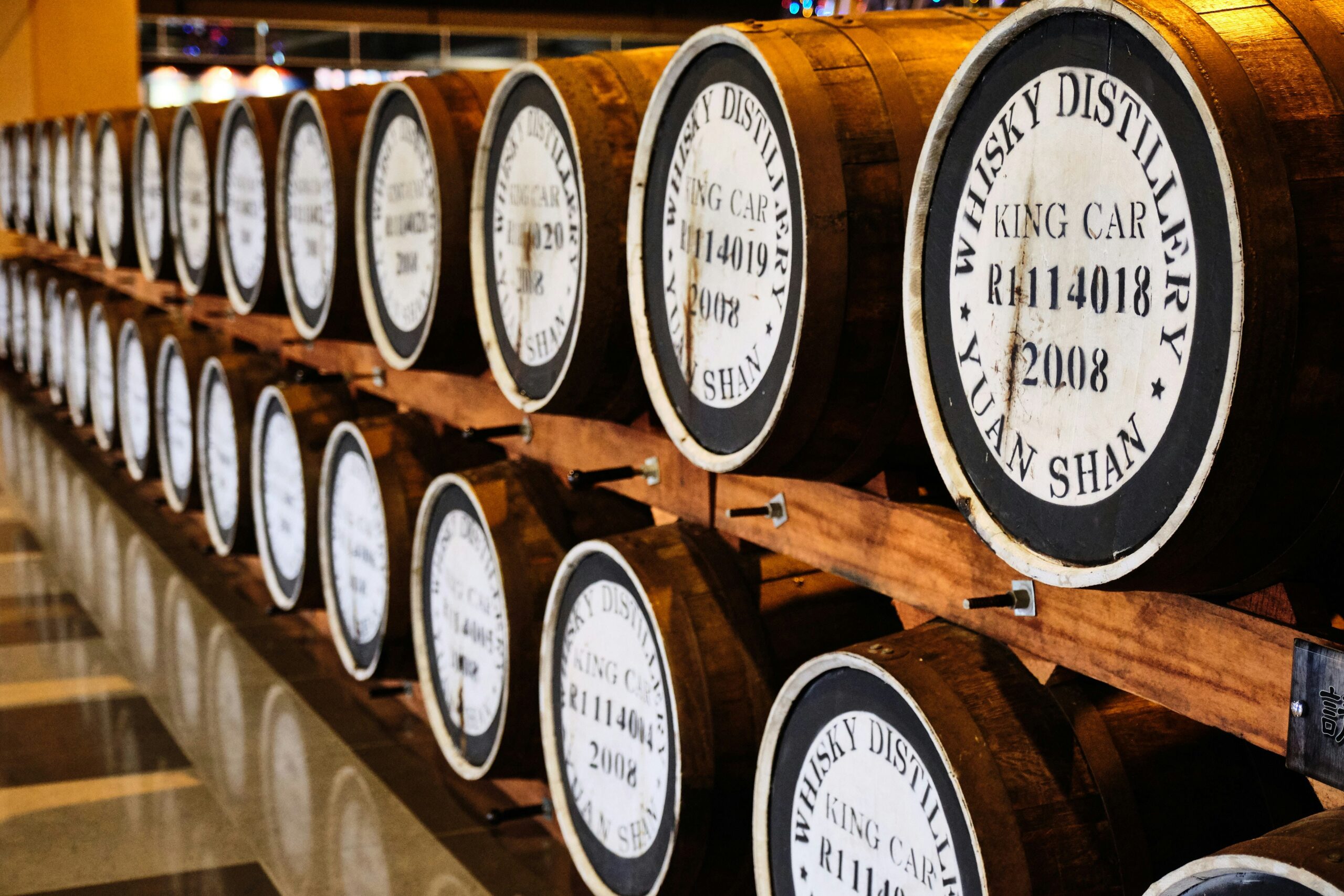
Whisky has evolved from a simple spirit into a collectible asset that attracts investors worldwide. Many collectors now view rare bottles and aging casks as valuable assets. As the market expands, investors continue to explore Whisky Investment Opportunities that combine tradition, rarity, and long-term financial potential.
However, successful investors must understand the legal and financial systems that shape the whisky market. These rules affect ownership rights, storage regulations, taxation, and resale options. Therefore, anyone interested in Whisky Investment Opportunities should learn these foundations before entering the market.
Growth of the Global Whisky Investment Market
The global whisky market has expanded rapidly during the past decade. Rare bottles and limited releases continue to attract collectors and investors who seek alternative assets. As supply decreases and demand increases, prices often rise steadily. Because of this trend, many investors now explore Whisky Investment Opportunities as part of diversified portfolios.
Furthermore, auction houses and digital trading platforms make whisky trading easier than ever before. Investors can track market prices, review auction results, and compare collectible bottles across global markets. Consequently, Whisky Investment Opportunities now attract both experienced collectors and new investors who want to benefit from long-term asset appreciation.
Legal Ownership of Whisky Casks and Bottles
Ownership verification is critical to whisky investing. Buyers must confirm legal documentation before purchasing bottles or casks. Certificates of ownership usually confirm the investor’s rights to the whisky stored in warehouses. Without these documents, investors risk disputes or potential loss of their assets. Therefore, proper paperwork remains essential when exploring Whisky Investment Opportunities.
Moreover, whisky casks are typically stored in bonded warehouses, which are government-regulated. Investors legally own the liquid in the barrel, but they cannot remove it freely because the product remains under tax suspension. This system protects both the product and the investor. As a result, clear ownership records provide security for participants in Whisky Investment Opportunities.
Storage Regulations and Bonded Warehouses
Storage regulations directly affect whisky value and security. Most casks remain in bonded warehouses that follow strict government guidelines. These facilities control temperature, humidity, and safety conditions to protect aging whisky. Proper storage preserves flavor and quality, which directly influences long-term asset value. Therefore, investors should select trusted storage facilities when evaluating Whisky Investment Opportunities.
In addition, government authorities monitor alcohol inventory within bonded warehouses. This oversight ensures accurate taxation and prevents illegal alcohol distribution. Because of these regulations, investors cannot transport or bottle whisky without official procedures. Consequently, regulated warehouses create a secure environment that supports stable Whisky Investment Opportunities.
Tax Responsibilities in Whisky Investments
Taxes represent a major financial factor for whisky investors. Alcohol duty usually applies when whisky leaves bonded storage and enters the retail market. However, while whisky remains in the warehouse, investors typically avoid alcohol duty. This system allows whisky to mature for years without being subject to immediate taxation. Therefore, many collectors see tax advantages in Whisky Investment Opportunities.
Nevertheless, investors must also consider capital gains tax when they sell bottles or casks at a profit. Each country applies different rules for collectible assets. Additionally, international transactions may involve import duties or transportation fees. Given these factors, investors should consult financial advisors before committing significant funds to Whisky Investment Opportunities.
Financial Risks and Market Volatility
Although whisky often increases in value, the market still carries risk. Prices depend on collector demand, distillery reputation, and global economic trends. Some bottles gain value quickly, while others remain stable for years. Consequently, investors must analyze market conditions before purchasing whisky assets. Careful planning reduces uncertainty within Whisky Investment Opportunities.
Counterfeit products also present serious challenges in the whisky market. Fraudulent sellers sometimes imitate rare bottles or falsify labels to deceive buyers. Therefore, investors should buy from trusted auction houses, certified dealers, or verified platforms. Reliable authentication services also help protect collectors who pursue legitimate Whisky Investment Opportunities.
Importance of Research and Market Knowledge
Strong research skills are essential for successful whisky investing. Investors should study distillery history, limited releases, and auction price trends before buying bottles. Rare distilleries and discontinued labels often attract strong collector demand. Consequently, these factors help investors identify promising Whisky Investment Opportunities.
Market knowledge also improves long-term investment strategies. Investors who follow whisky indexes, auction databases, and collector communities gain valuable insights. These resources reveal which brands and vintages attract the most interest. As a result, informed investors can identify valuable Whisky Investment Opportunities with stronger growth potential.
Exit Strategies and Resale Channels
Every investor should plan a clear resale strategy before buying whisky assets. Auction houses remain the most common way to sell rare bottles. Competitive bidding often increases final sale prices when collectors compete for limited releases. Therefore, auctions provide an effective exit channel for investors exploring Whisky Investment Opportunities.
Private collectors and specialized brokers also purchase rare whisky through direct sales. Online marketplaces further expand access to global buyers. However, investors must consider selling commissions, shipping costs, and authentication fees. By planning carefully, investors can maximize profits and manage risk within Whisky Investment Opportunities.